
How to release music on spotify
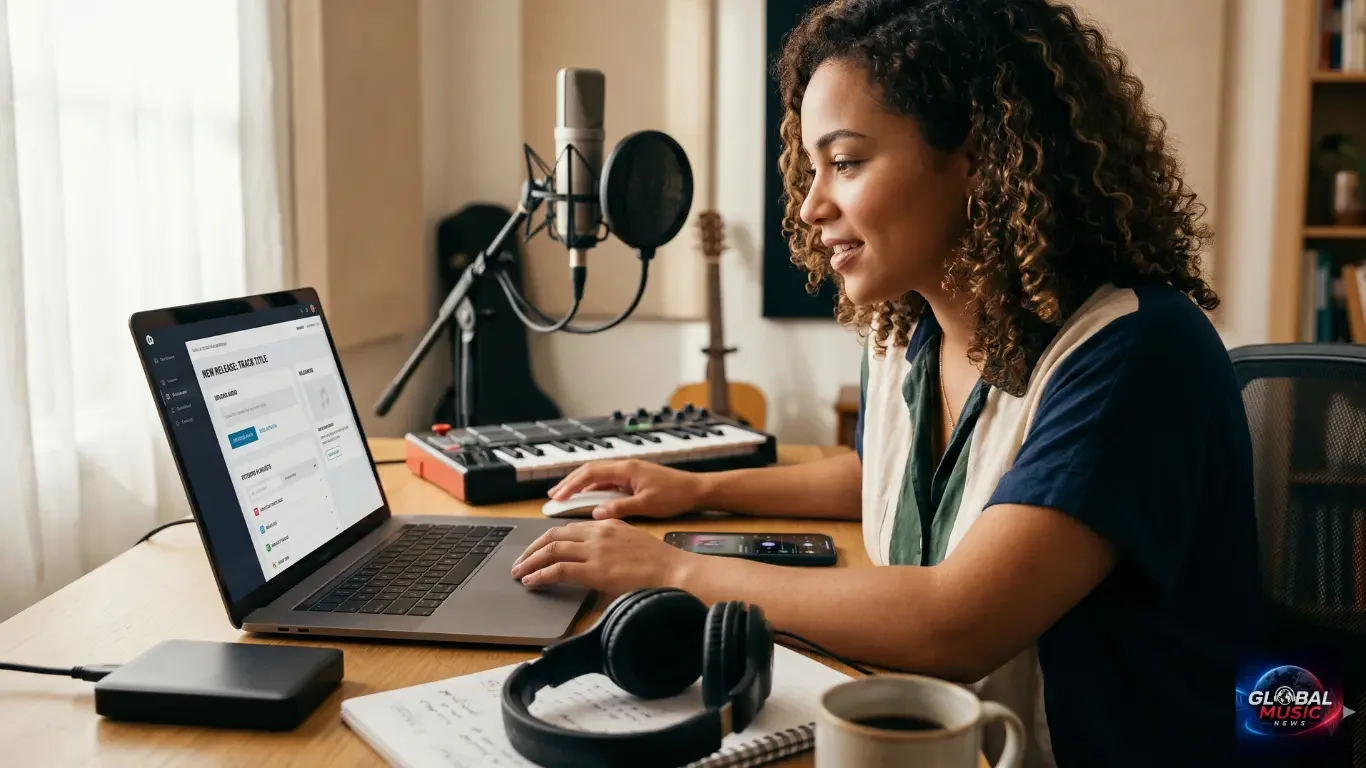
Preparing metadata and audio assets is the critical first step for independent distribution.
FROM STUDIO TO STREAMING: The Technical and Strategic Blueprint for Releasing Music on Spotify as an Independent Artist
BUCHAREST — In a global music ecosystem where over 120,000 new tracks are uploaded daily to streaming platforms, digital music distribution has become fully democratized. However, moving from a raw audio file to a successful Spotify release requires strict technical compliance, data precision, and strategic scheduling. To help independent artists navigate this competitive landscape, this comprehensive guide breaks down the essential steps to maximize visibility, secure royalties, and master the Spotify algorithm.
Unlike traditional social media networks, Spotify does not allow direct user uploads (uploads here). Independent creators must utilize specialized intermediaries known as digital music distributors.
Promo
1. Technical Prerequisites: Audio and Metadata Standards
The initial phase of releasing music on Spotify involves preparing digital assets according to strict industry specifications. Neglecting these criteria is the primary reason releases are delayed or rejected during the Quality Control (QC) phase.
Audio File Format: Spotify requires high-resolution, uncompressed audio. Artists should upload WAV or FLAC files (16-bit or 24-bit, with a standard sample rate of 44.1 kHz).
Album Artwork Requirements: Cover art must be a perfect square (1:1 aspect ratio), with dimensions of at least 3000 x 3000 pixels (maximum 10,000 pixels), saved in JPG, PNG, or TIFF format. Industry guidelines strictly prohibit URLs, social media handles, pricing info, or low-resolution images.
Strict Metadata Compliance: Accurate data is crucial for music streaming SEO and legal tracking. Artists must provide the full legal names (first and last name) of all songwriters, lyricists, and producers. Pseudonimes or initials in the credits section often trigger automated rejections. Additionally, if the track utilizes generative AI tools, this must be disclosed in the metadata.
2. Choosing the Right Digital Music Distributor
A digital music distributor acts as the bridge between the artist and streaming platforms, automatically assigning unique tracking codes: the ISRC (International Standard Recording Code) for individual tracks and the UPC (Universal Product Code) for the entire release (single, EP, or album).
Selecting a distribution platform depends on the artist's business model and release frequency:
| Music Distributor | Pricing Model | Best Suited For |
|---|---|---|
| DistroKid / TuneCore | Annual flat fee (unlimited uploads) | Prolific artists releasing frequent singles |
| CD Baby | One-time fee per release (single/album) | Artists with a slower release cycle who prefer no recurring fees |
| Amuse / UnitedMasters | Freemium models / Commission-based | Independent creators looking for mobile-first management |
3. The 4-to-6 Week Release Strategy and Editorial Pitching
Music industry experts warn against uploading a track with the "Release As Soon As Possible" option. For indie music marketing to be effective, timing is everything.
"An optimal release campaign requires a window of 4 to 6 weeks between submitting data to the distributor and the official street date," state music marketing specialists.
This strategic timeframe is essential for two main reasons:
Technical Processing: It provides adequate time for the distributor and Spotify's internal systems to ingest, verify, and deliver the audio files across global servers.
Spotify Editorial Playlist Pitching: Once a distributor delivers the track to Spotify's ecosystem—but before it goes live to the public—the artist can access their Spotify for Artists dashboard. This unlocks the ability to pitch the upcoming release directly to Spotify's editorial team.
A successful editorial pitch must be submitted at least 7 to 14 days before release (ideally 3-4 weeks). Artists must specify the genre, sub-genres, instrumentation, mood, and language, alongside a concise description detailing the marketing plan and cultural context. Pitching also guarantees that the new track will automatically appear in the Release Radar playlist of every user who follows the artist's profile.
Promo
4. Understanding Spotify's Monetization Threshold and Royalties
Releasing music on Spotify does not guarantee immediate financial return. Under modern streaming policies, a track must accumulate a minimum of 1,000 streams within a rolling 12-month period to qualify for royalty payouts. This threshold was designed to deter streaming fraud, bot farms, and the monetization of functional white-noise tracks.
The average payout per stream typically fluctuates between $0.003 and $0.004, depending on the listener’s geographic location and whether they use a Spotify Premium or Free account.
For complete revenue collection, entertainment lawyers remind independent musicians that digital distributors only collect master royalties (revenues from the sound recording). To collect publishing royalties (revenues from the underlying composition and lyrics), artists must register their works with Performance Rights Organizations (PROs) and Mechanical Licensing Collectives (such as ASCAP, BMI, PRS, or The MLC).
Ultimately, navigating how to get your music on Spotify successfully relies heavily on administrative rigor. Mastering metadata, respecting distribution timelines, and optimizing the Spotify for Artists dashboard are just as vital to a track's success as the creative process itself.
